Buy brain-hack.com ?
We are moving the project
brain-hack.com .
Are you interested in purchasing the domain
brain-hack.com ?
domain@kv-gmbh.de · 0541-91531010
Buy brain-hack.com ?
What is cellular respiration?
Cellular respiration is the process by which cells break down glucose and other organic molecules to produce energy in the form of ATP (adenosine triphosphate). This process occurs in the mitochondria of cells and involves a series of biochemical reactions that ultimately convert the energy stored in glucose into a usable form for the cell. Cellular respiration is essential for the survival of all living organisms as it provides the energy needed for various cellular activities and functions. **
Do mushrooms undergo cellular respiration?
Yes, mushrooms do undergo cellular respiration. Just like other living organisms, mushrooms require energy to carry out their metabolic processes, and cellular respiration is the process by which they generate this energy. During cellular respiration, mushrooms break down organic molecules to produce ATP, the energy currency of the cell, which is used to fuel their growth, reproduction, and other biological functions. **


Similar search terms for US Cellular
Top-Angebote
Products related to US Cellular:
-
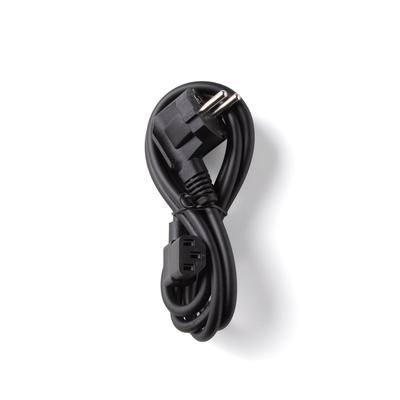
StayWell Steam Gel Nail Polish Remover Gel, Polishing Remover Electric Nail Enhancement Tool, Ideal For Nail Salons & Home Use us PlugElevate your nailcare game with the 36W Steam Gel Nail Polish Remover Gel, designed for both busy salons and athome enthusiasts. This Polishing Remover Electric Nail Enhancement Tool harnesses the power of steam and heat to lift stubborn gel,...43,97 $*Shipping: 0,00 $Secure redirect to the provider



-
When does cellular respiration occur?
Cellular respiration occurs in the cells of living organisms constantly, as it is the process by which cells break down glucose and other organic molecules to produce energy in the form of ATP. This process is essential for the survival of cells and the organism as a whole, providing the energy needed for various cellular activities. Cellular respiration occurs in the presence of oxygen (aerobic respiration) or in the absence of oxygen (anaerobic respiration), depending on the availability of oxygen in the environment. **
-
What is glycolytic cellular respiration?
Glycolytic cellular respiration is the process by which cells break down glucose to produce energy in the form of adenosine triphosphate (ATP). This process occurs in the cytoplasm of the cell and involves a series of enzymatic reactions that convert glucose into pyruvate. Glycolysis is the first stage of cellular respiration and is anaerobic, meaning it does not require oxygen. The ATP produced during glycolysis can be used by the cell for various energy-requiring processes. **
-
What happens to us after brain death?
After brain death, the body's vital functions, such as breathing and heartbeat, cease. Without intervention, the body will eventually shut down completely. However, the exact process and timeline can vary depending on individual circumstances and medical interventions. It's important to note that brain death is considered the legal and medical definition of death in many countries, and there is no consciousness or possibility of recovery after brain death. **
-
What is compartmentalization in cellular respiration?
Compartmentalization in cellular respiration refers to the organization of different metabolic processes into specific compartments within the cell. In eukaryotic cells, cellular respiration occurs in different organelles such as the cytoplasm, mitochondria, and chloroplasts. Each organelle plays a specific role in the overall process of cellular respiration, with different compartments carrying out different steps of the metabolic pathway. This compartmentalization allows for efficient coordination of the various reactions involved in cellular respiration and helps to optimize energy production within the cell. **

How can cellular respiration be demonstrated?
Cellular respiration can be demonstrated through a simple experiment using a sprouting seed, such as a bean or pea. By placing the seed in a sealed container with a small amount of water and observing the production of carbon dioxide bubbles, one can see evidence of cellular respiration. Another way to demonstrate cellular respiration is by measuring the consumption of oxygen and production of carbon dioxide by using a respirometer apparatus with a small organism like a cricket or germinating seeds. This experiment shows the exchange of gases that occurs during cellular respiration. **
Can you briefly explain cellular respiration?
Cellular respiration is the process by which cells break down glucose and other organic molecules to produce energy in the form of ATP. This process occurs in the mitochondria of cells and involves three main stages: glycolysis, the citric acid cycle, and the electron transport chain. During cellular respiration, glucose is oxidized to produce carbon dioxide, water, and ATP, which is the main energy currency of the cell. **
Top-Angebote
Products related to US Cellular:
-
Modern Home Fixes Full Spectrum LED Floor Lamp For Eye Comfort, Focus & Indoor Productivity Full Spectrum LED Floor Lamp For Eye Comfort, Focus & Indoor ProductivityThis Full Spectrum LED Floor Lamp provides natural daylightstyle illumination that reduces eye strain, enhances focus, and improves clarity for reading, crafting, working, or indoor hobbies. It delivers balanced, flickerfree light indoors,...139,97 $*Shipping: 0,00 $Secure redirect to the provider
-
MACMILLAN How Emotions Are Made – The Secret Life of the Brain by Lisa Feldman Barrett Neuroscience & Psychology BestsellerDiscover a groundbreaking new understanding of the human mind with How Emotions Are Made: The Secret Life of the Brain by Lisa Feldman Barrett. Challenging long-held beliefs about how emotions work, neuroscientist Lisa Feldman Barrett presents a revolutionary theory explaining that emotions are not universal reactions, but are actively constructed by the brain. Drawing on cutting-edge research in psychology and neuroscience, the book reveals how the brain predicts, interprets, and shapes our emotional experiences. Written in an accessible and engaging style, this bestseller reshapes how we think about feelings, decision-making, mental health, and human behavior. It’s essential reading for anyone interested in psychology, neuroscience, self-understanding, and emotional intelligence. Why Readers Love This Book: Revolutionary insights into how emotions are created Based on modern neuroscience research Accessible explanations for general readers Practical implications for mental well-being Ideal for psychology and science enthusiasts A thought-provoking exploration of the brain, How Emotions Are Made changes how we understand what it means to feel.3,99 £*Shipping: 1,99 £Secure redirect to the provider
-
StayWell Steam Gel Nail Polish Remover Gel, Polishing Remover Electric Nail Enhancement Tool, Ideal For Nail Salons & Home Use us PlugElevate your nailcare game with the 36W Steam Gel Nail Polish Remover Gel, designed for both busy salons and athome enthusiasts. This Polishing Remover Electric Nail Enhancement Tool harnesses the power of steam and heat to lift stubborn gel,...43,97 $*Shipping: 0,00 $Secure redirect to the provider
-
What is cellular respiration?
Cellular respiration is the process by which cells break down glucose and other organic molecules to produce energy in the form of ATP (adenosine triphosphate). This process occurs in the mitochondria of cells and involves a series of biochemical reactions that ultimately convert the energy stored in glucose into a usable form for the cell. Cellular respiration is essential for the survival of all living organisms as it provides the energy needed for various cellular activities and functions. **
-
Do mushrooms undergo cellular respiration?
Yes, mushrooms do undergo cellular respiration. Just like other living organisms, mushrooms require energy to carry out their metabolic processes, and cellular respiration is the process by which they generate this energy. During cellular respiration, mushrooms break down organic molecules to produce ATP, the energy currency of the cell, which is used to fuel their growth, reproduction, and other biological functions. **
-
When does cellular respiration occur?
Cellular respiration occurs in the cells of living organisms constantly, as it is the process by which cells break down glucose and other organic molecules to produce energy in the form of ATP. This process is essential for the survival of cells and the organism as a whole, providing the energy needed for various cellular activities. Cellular respiration occurs in the presence of oxygen (aerobic respiration) or in the absence of oxygen (anaerobic respiration), depending on the availability of oxygen in the environment. **
-
What is glycolytic cellular respiration?
Glycolytic cellular respiration is the process by which cells break down glucose to produce energy in the form of adenosine triphosphate (ATP). This process occurs in the cytoplasm of the cell and involves a series of enzymatic reactions that convert glucose into pyruvate. Glycolysis is the first stage of cellular respiration and is anaerobic, meaning it does not require oxygen. The ATP produced during glycolysis can be used by the cell for various energy-requiring processes. **
Similar search terms for US Cellular
-
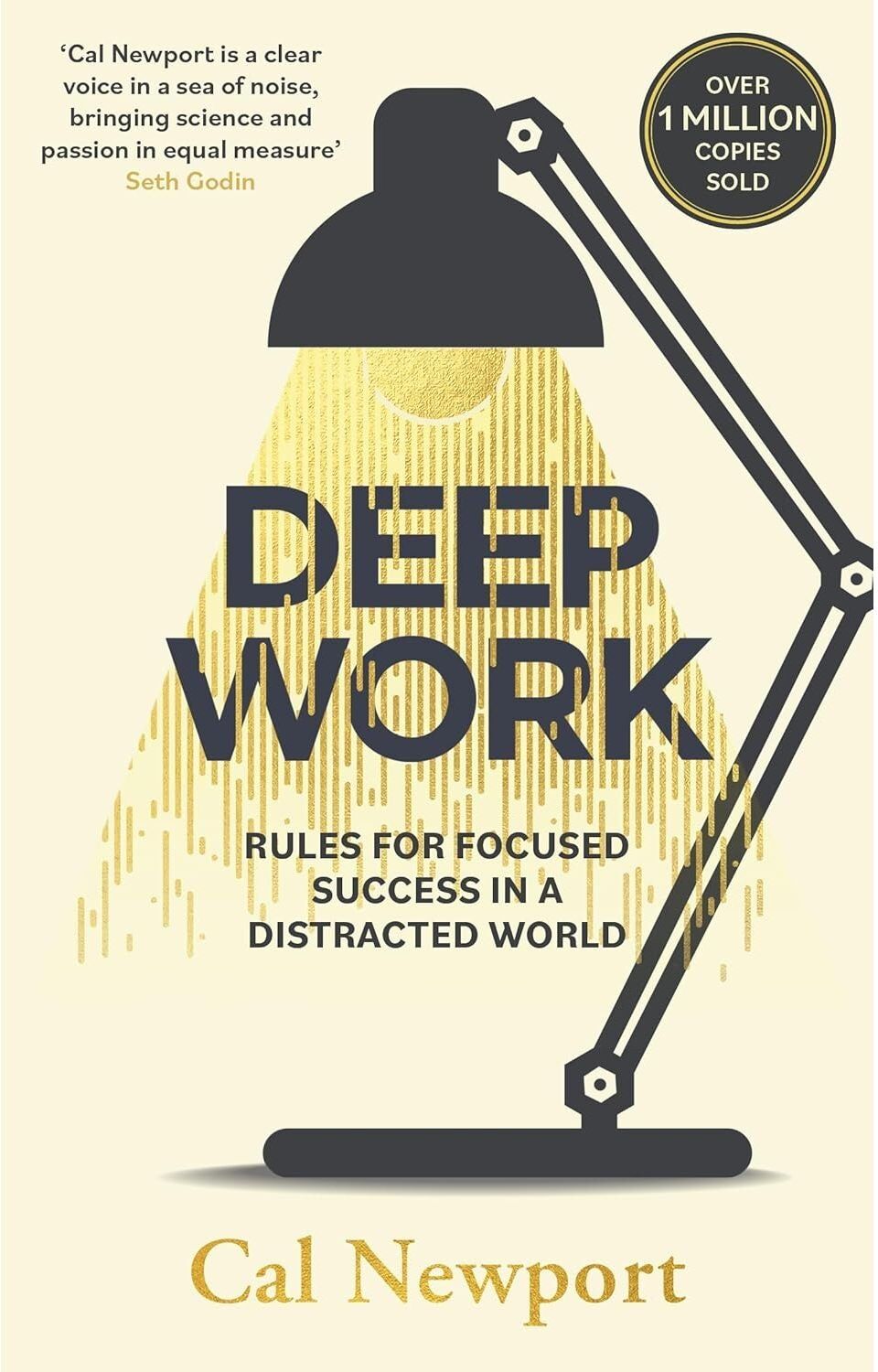
Piatkus Deep Work – Rules for Focused Success in a Distracted World by Cal Newport Productivity, Focus & Career Success BookIn a world full of distractions, the ability to focus deeply is becoming increasingly rare—and increasingly valuable. In Deep Work: Rules for Focused Success in a Distracted World, bestselling author and productivity expert Cal Newport explains why deep, concentrated work is the key to mastering complex skills, producing high-quality results, and standing out in your career. Drawing on neuroscience, psychology, and real-world examples, Newport shows how to eliminate distractions, train your focus, and work with intense concentration. The book combines compelling theory with practical strategies, helping readers build habits that support sustained attention and meaningful productivity in both professional and personal life. What You’ll Learn: Why deep work is essential for success in the modern economy How shallow work undermines productivity and focus Practical rules for building deep work habits Techniques to minimize distractions and digital overload How to produce better results in less time Perfect for professionals, students, creatives, and entrepreneurs, Deep Work is a must-read guide to achieving focus, efficiency, and long-term career success.7,99 £*Shipping: 2,99 £Secure redirect to the provider
-
Simon & Schuster Colleen Hoover It Ends With Us Series Collection 2 Books Set (It Starts with Us & It Ends With Us)Titles: It Starts with Us It Ends With Us Colleen Hoover Collection 2 Books Set (It Starts with Us & It Ends With Us) It Starts with Us Lily and her ex-husband, Ryle, have just settled into a civil co-parenting rhythm when she suddenly bumps into her first love, Atlas, again. After nearly two years separated, she is elated that for once, time is on their side, and she immediately says yes when Atlas asks her on a date. But her excitement is quickly hampered by the knowledge that, though they are no longer married, Ryle is still very much a part of her life—and Atlas Corrigan is the one man he will hate being in his ex-wife and daughter’s life. It Ends With Us Lily hasn’t always had it easy, but that’s never stopped her from working hard for the life she wants. She’s come a long way from the small town where she grew up—she graduated from college, moved to Boston, and started her own business. And when she feels a spark with a gorgeous neurosurgeon named Ryle Kincaid, everything in Lily’s life seems too good to be true. Ryle is assertive, stubborn, maybe even a little arrogant. He’s also sensitive, brilliant, and has a total soft spot for Lily. And the way he looks in scrubs certainly doesn’t hurt. Lily can’t get him out of her head.9,95 £*Shipping: 2,99 £Secure redirect to the provider
-
What happens to us after brain death?
After brain death, the body's vital functions, such as breathing and heartbeat, cease. Without intervention, the body will eventually shut down completely. However, the exact process and timeline can vary depending on individual circumstances and medical interventions. It's important to note that brain death is considered the legal and medical definition of death in many countries, and there is no consciousness or possibility of recovery after brain death. **
-
What is compartmentalization in cellular respiration?
Compartmentalization in cellular respiration refers to the organization of different metabolic processes into specific compartments within the cell. In eukaryotic cells, cellular respiration occurs in different organelles such as the cytoplasm, mitochondria, and chloroplasts. Each organelle plays a specific role in the overall process of cellular respiration, with different compartments carrying out different steps of the metabolic pathway. This compartmentalization allows for efficient coordination of the various reactions involved in cellular respiration and helps to optimize energy production within the cell. **
-
How can cellular respiration be demonstrated?
Cellular respiration can be demonstrated through a simple experiment using a sprouting seed, such as a bean or pea. By placing the seed in a sealed container with a small amount of water and observing the production of carbon dioxide bubbles, one can see evidence of cellular respiration. Another way to demonstrate cellular respiration is by measuring the consumption of oxygen and production of carbon dioxide by using a respirometer apparatus with a small organism like a cricket or germinating seeds. This experiment shows the exchange of gases that occurs during cellular respiration. **
-
Can you briefly explain cellular respiration?
Cellular respiration is the process by which cells break down glucose and other organic molecules to produce energy in the form of ATP. This process occurs in the mitochondria of cells and involves three main stages: glycolysis, the citric acid cycle, and the electron transport chain. During cellular respiration, glucose is oxidized to produce carbon dioxide, water, and ATP, which is the main energy currency of the cell. **
* All prices are inclusive of VAT and, if applicable, plus shipping costs. The offer information is based on the details provided by the respective shop and is updated through automated processes. Real-time updates do not occur, so deviations can occur in individual cases. ** Note: Parts of this content were created by AI.